
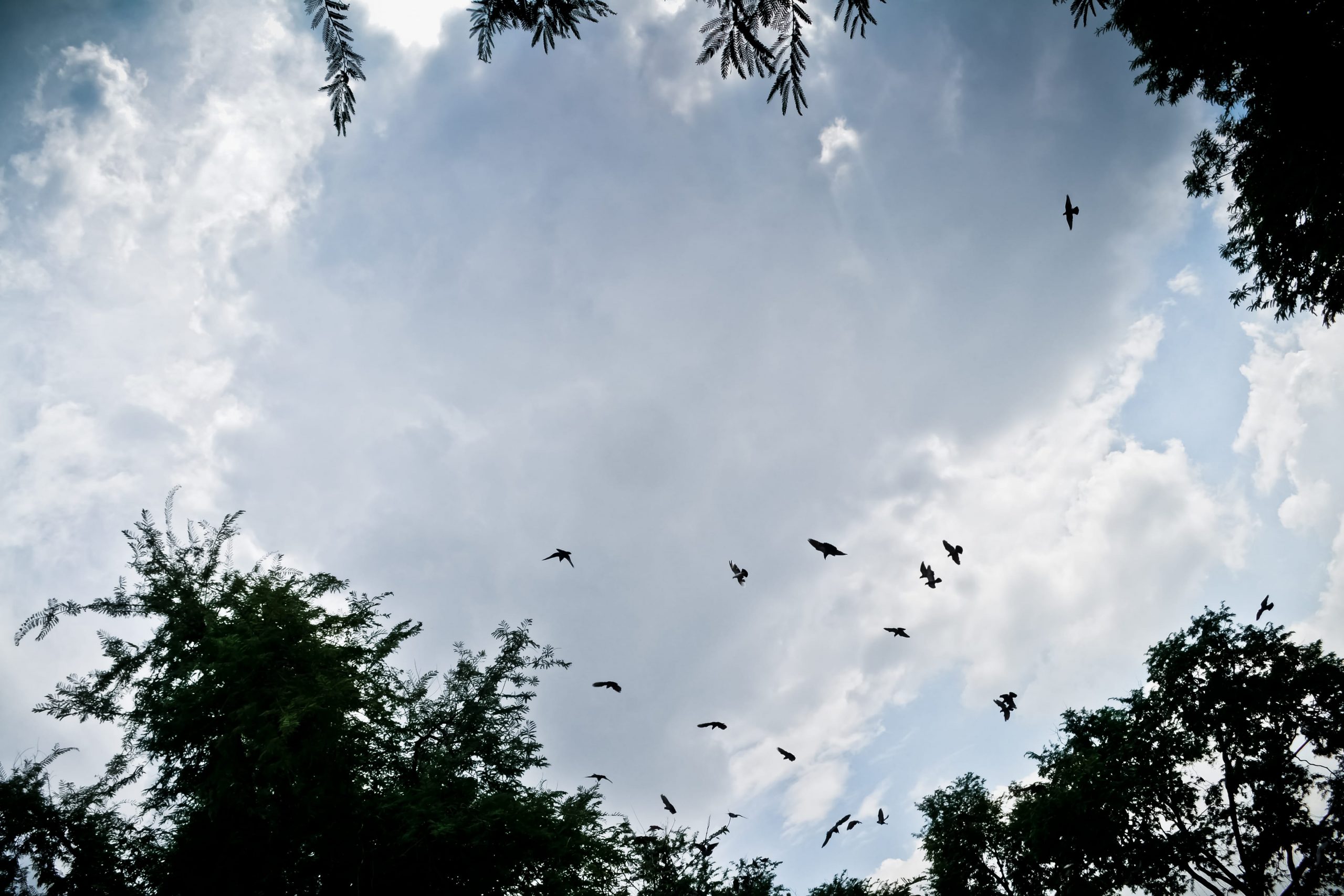
Birds play an important role in Ajax’s ecosystem, but many local species are in decline due to human-driven pressures such as habitat loss and increased predation. Explore this page to learn how you can contribute to a bird-friendly Ajax.
How to Make Homes and Gardens Bird-Friendly
There are many ways you can make your property welcoming and safe for bird populations. Learn more below.
Adhesive decals can help prevent bird strikes on windows. For maximum effectiveness, they should be spaced no more than four inches apart so that birds don’t attempt to fly through the gaps.
Nesting boxes are a great way to offer shelter to breeding birds. When using these boxes, there are a few things to be mindful of:
- Boxes should not be close to bird feeders, as high activity discourages nesting
- Different bird species have different sunlight preferences; if you’re looking to provide for a specific local species, try looking into how much light they prefer and face your box accordingly
- Removing landing perches at the entrance hole of a box can protect it from predators
Pet fur can be a great resource for birds during nesting season! Simply leave the brushed fur outside for birds to collect. You may also purchase a small hay feeder or suet cage to store the fur in.
Different birds have varying feeding patterns. For general bird feeders, mixtures containing sunflower seeds, cracked corn, and millet are popular and are preferred by many species. If you’re opting for suet, it is best provided during the colder months.
These garden structures are great for providing cover for low-nesting birds.
Flowering plants, such as Dogwood trees, attract insect pollinators, which are an important food source for birds. A dense wildflower garden provides a great source of shelter and shade for birds. Native plants are best adapted to thrive in your community’s environment.
Birds will frequently bathe in and drink from the same water source. If you’re providing a bird bath, ensuring it remains clean and free of additives is important for bird health.
Rodenticides, also known as rodent poisons, can be detrimental to birds that consume mice and other small animals. When birds eat poisoned rodents or the bait itself, the toxins can build up in their bodies. Birds of prey, like hawks and owls, are especially vulnerable because they often eat multiple poisoned rodents.
How to Help Protect Birds from Predators
Predator-prey relationships are a natural and important part of urban ecosystems, but human activity can disrupt this balance by increasing predator populations. In urban areas, animals such as raccoons and domestic cats pose growing risks to local bird species.
Regulating Free-Range Cats
Domestic cats affect wildlife through predation, transmission of diseases, disturbance, and competition In Ajax, it is required that domestic cats stay within the property of their owners, even if they are allowed outdoor access. This law protects the safety of both cats and local prey species. Putting bells or brightly-coloured collars on your cat can reduce bird capture rates by up to 40%.
What Birds Are Found in Ajax?
Ajax’s landscapes are home to many types of birds and wildlife, with 106 bird species nesting in the Carruthers Creek Watershed.
Some birds are becoming harder to find, especially those that depend on meadows and wetlands. While species like the wood thrush and common yellowthroat are declining, others, such as the American redstart and blue-grey gnatcatcher, are increasing, showing why protecting these habitats is important.
Species Spotlight
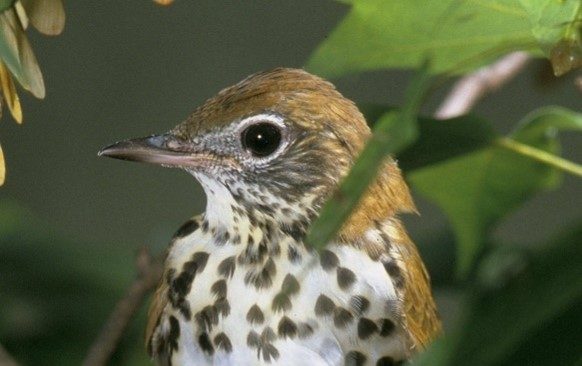
Wood Thrush
Wood thrushes are songbirds that live in large, mixed forests, though they can also utilize smaller clusters of trees in fragmented areas. Within Ontario, most of their numbers are concentrated in the South. Their species status is of Special Concern, meaning they are not yet threatened or endangered and there are still populations in the wild. However, these songbirds remain at risk of endangerment and are experiencing a global decline, reflected in their loss here in Ajax. Habitat loss and fragmentation are among the biggest threats to the wood thrush.
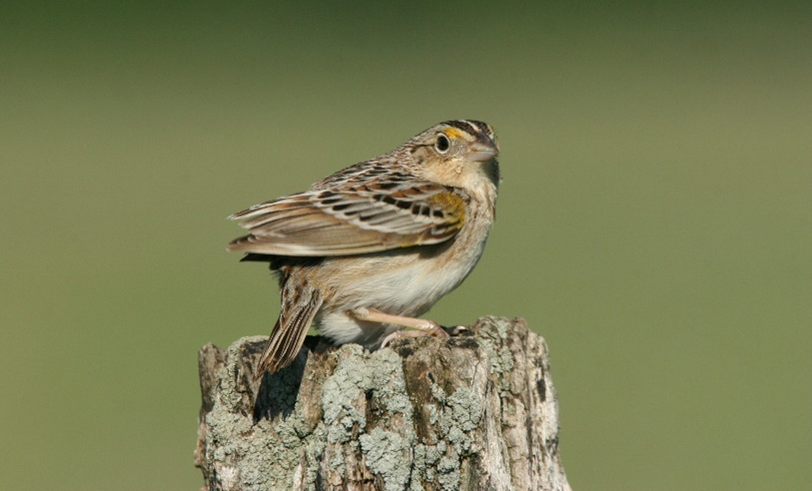
Grasshopper Sparrow
Grasshopper sparrows are small songbirds that live in open, grassy areas. These birds are ground-nesters; they construct their cup-shaped nests out of grass and nestle them within a field. Their domain in Ontario is largely in the South, though some have been found along the Canadian Shield. This species is of Special Concern as their preferred habitat is threatened by row crop planting.
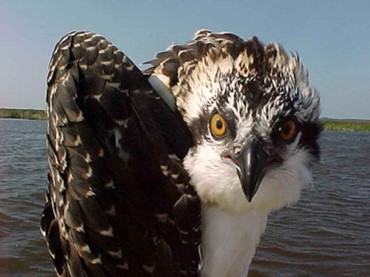
Osprey
Ospreys are large, slender birds of prey. Their impressive wingspan can reach nearly 1.8 metres across. As fish-eaters, they are usually spotted around bodies of water such as marshes and rivers. These birds are a testimony to conservation efforts, having experienced a tremendous recovery in past years. The osprey is no longer listed as a Species of Concern.
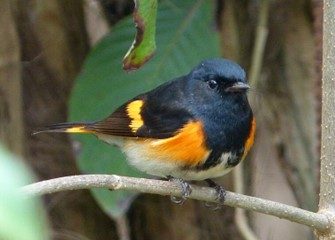
American Redstart
American redstarts are small, striking warblers. These birds utilize Ontario’s lightly forested regions during their breeding months. The American redstart has been identified by TRCA as a Species of Regional Concern, though their local numbers are on the rise.
Related Resources
- 2138_Healthy-Yards_Bird-Gardens_2019_FA_web.pdf (trca.ca)
- TRCA’s Watershed and Ecosystems Reporting Hub
- TRCA’s 2017 Carruthers Creek Watershed Plan Terrestrial Biological Inventory and Assessment
- TRCA Meadow Restoration Information
- TRCA The Meadoway: Vegetation, Bird and Butterfly Monitoring 2016, 2018-2020